 English

Linear Motion Knowledge Center
Total 103 Articles
Types of Rack and Pinion Linear Modules: Straight vs Helical Racks
Rack and pinion linear modules are widely used for long-travel, high-speed and heavy-duty motion because the drive length can be extended without requiring one long rotating screw. But “rack and pinion module” covers several very different structures.The most ...
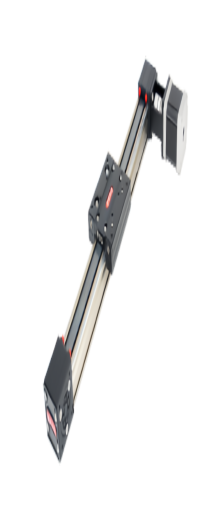
Timing Belt Linear Module Lubrication and Maintenance
A timing belt linear module has two maintenance systems that should not be confused: the linear guide usually requires lubrication, while the timing belt itself normally operates dry and should not be coated with grease or oil unless the belt manufacturer spec...
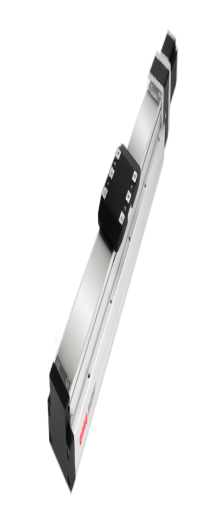
Linear Modules in 3C Electronics Assembly Lines
3C electronics production—computers, communication products and consumer electronics—depends on large numbers of short, repeatable automation cycles. A phone frame may need to be transferred, positioned for dispensing, moved to a screw-driving station and then...
Linear Modules in Robotics and Automation
Robots are highly flexible inside their working envelope, but many automation systems need motion beyond that envelope. A robot may need to travel several meters along a production line, a pick-and-place cell may need coordinated XYZ movement, or an AGV dockin...
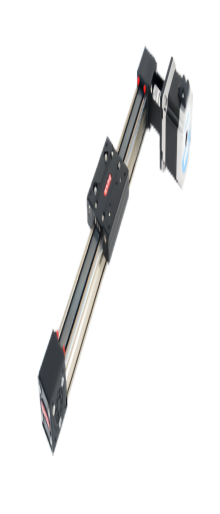
Linear Modules in Semiconductor Equipment: Precision Motion for Wafer Handling
Semiconductor equipment places unusually demanding requirements on motion systems. A transfer axis may need to move wafers quickly without excessive vibration, a die-bonding stage may need extremely stable placement, and an inspection platform may need smooth ...

Types of Ball Screw Linear Modules: Enclosed, Semi-Enclosed and Open Designs
Ball screw linear modules can look similar from the outside while using very different internal structures. An enclosed actuator designed to protect the screw and guide, a semi-enclosed stage built for balanced cost and maintenance access, an open module optim...
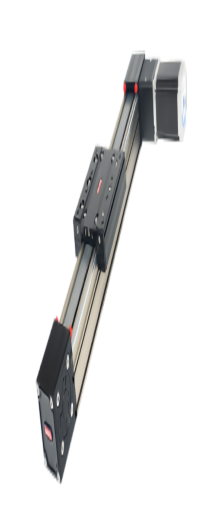
Types of Timing Belt Linear Modules: Configurations and Designs
Timing belt linear modules are often grouped together as one product category, but their actual structures can be very different. An open belt axis for long-stroke transfer, a fully enclosed module for dusty automation, a compact belt stage for limited machine...
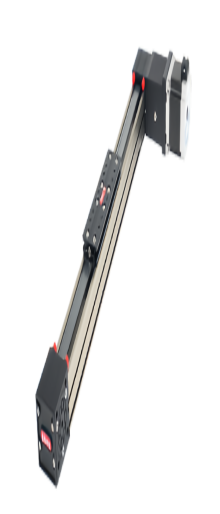
How to Select a Motor for Your Linear Module
Selecting a motor for a linear module is not simply a matter of choosing a higher wattage. The motor, drive, feedback system and mechanical transmission must work together as one motion system.A motor that is too small may fail to reach the required accelerati...

Linear Module Torque Calculation: Sizing the Drive Correctly
A linear module motor should not be selected from payload alone. The drive must produce enough torque to overcome the linear load, accelerate the moving mass, accelerate the screw, pulley, coupling and other rotating components, and still operate within the mo...
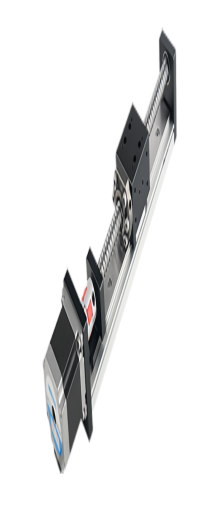
How to Choose a Linear Module Manufacturer
Choosing a linear module manufacturer is not only a price comparison. A supplier may offer an attractive quotation but still create higher engineering cost if the module is poorly matched to the application, drawings change repeatedly, inspection data is incom...